Data collection
Our technical team works with you to gather relevant information and facility readings. We review what each reading represents and whether it covers the necessary operating conditions.
SERVICES
A useful audit turns consumption and measurements into investment decisions. We analyse energy and water to identify opportunities and set priorities.
Explore ↓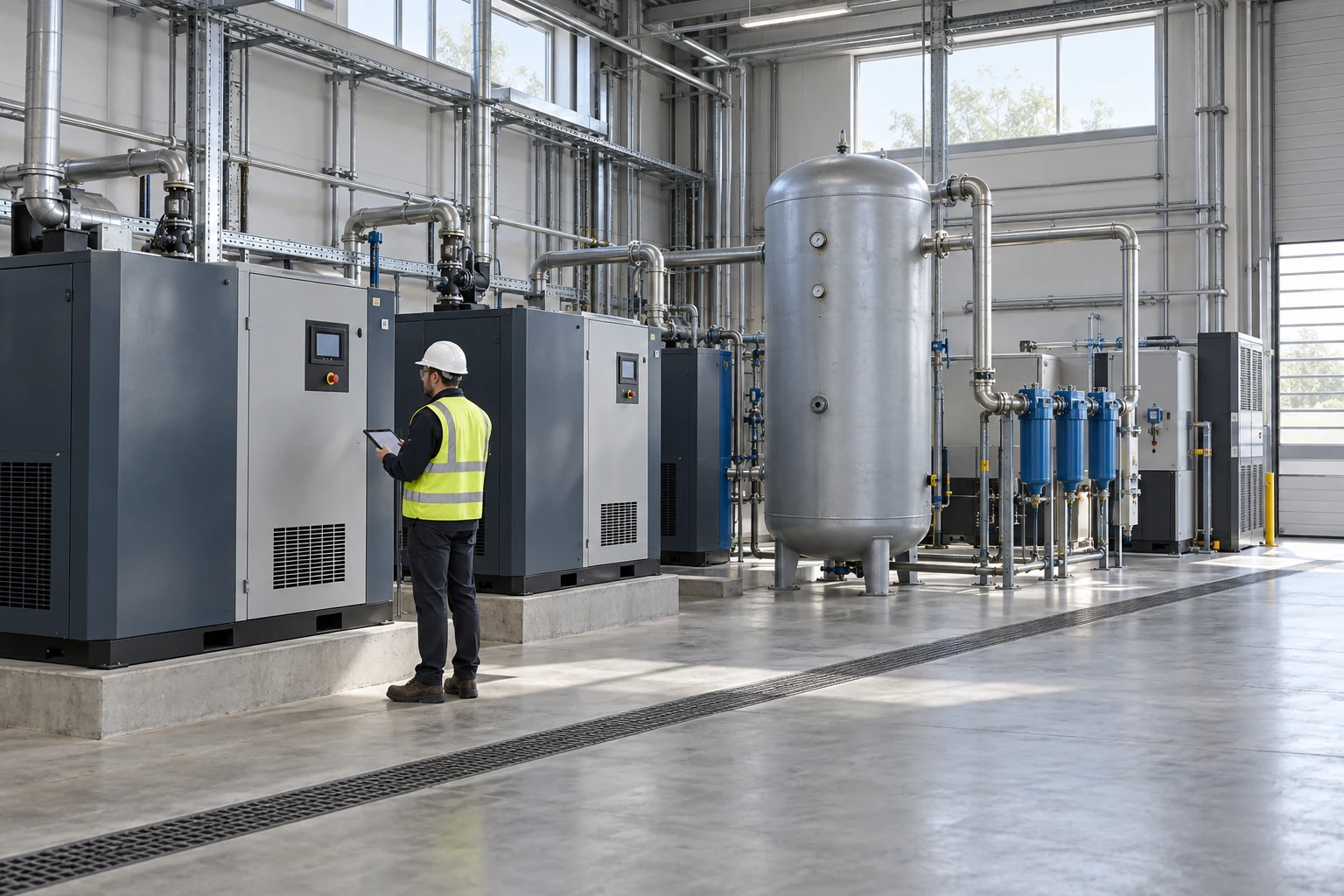
ENERGY & WATER AUDITING
We enter the facility, connect measurements with your activity and turn findings into priorities. You can then decide what to adjust, what to upgrade and what needs further investigation.
How we work with you
01Measure
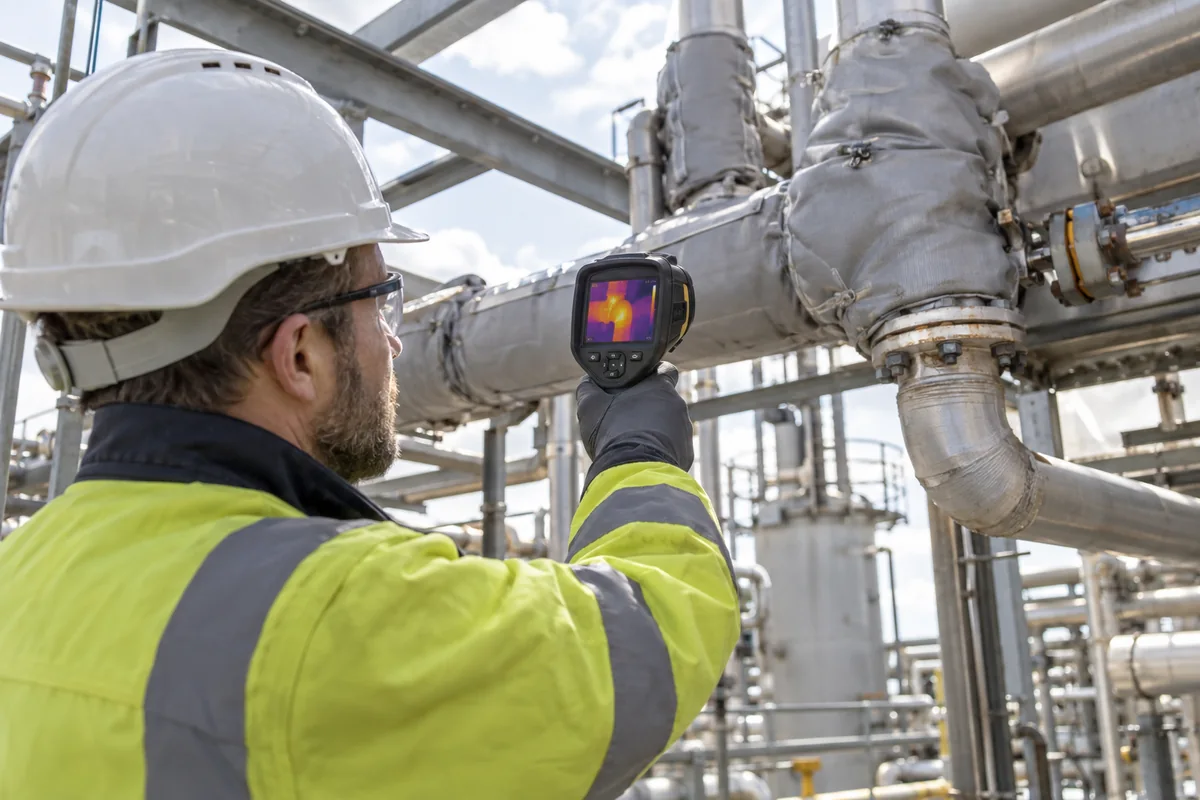
A bill gives you the total. Site inspections and measurements help identify the equipment, schedules and processes behind that consumption.
A consumption map and a clear view of missing data.
02Interpret
We compare profiles with output, occupancy and operating conditions. The aim is to find opportunities without confusing an essential load with avoidable consumption.
Explained technical opportunities with explicit assumptions.
A question many plants share.
An hourly profile can reveal a persistent load. We then investigate what keeps it running: standby equipment, auxiliaries or essential services. Measurement shows where to look; engineering determines what to change.
The aim is to explain persistent load and check it against process needs. This diagram does not represent client data.
03Prioritise
Measures are ranked for technical and economic fit. The plan separates operational adjustments from projects that need design, budgeting or a scheduled shutdown.
A report and an actionable roadmap.
THE THREES APPROACH
Threes’ sustainability audit follows three connected stages. Each prepares the next so the final report supports concrete decisions.
Our technical team works with you to gather relevant information and facility readings. We review what each reading represents and whether it covers the necessary operating conditions.
Analysis establishes a baseline and identifies improvement opportunities. Assessment connects potential savings, investment and application conditions to evaluate estimated return.
The output brings together findings and an action plan. Opportunities are presented with priorities and assumptions that need validation before implementation.
When load peaks and which equipment contributes.
How energy per unit of activity changes.
How the resource is distributed across identified uses.
What remains active when operations change.
TAILORED TO YOUR FACILITY
Investigate consumption by process or shift, off-production loads and auxiliary-system operation.
Connect HVAC, occupancy and schedules to identify adjustments while considering comfort.
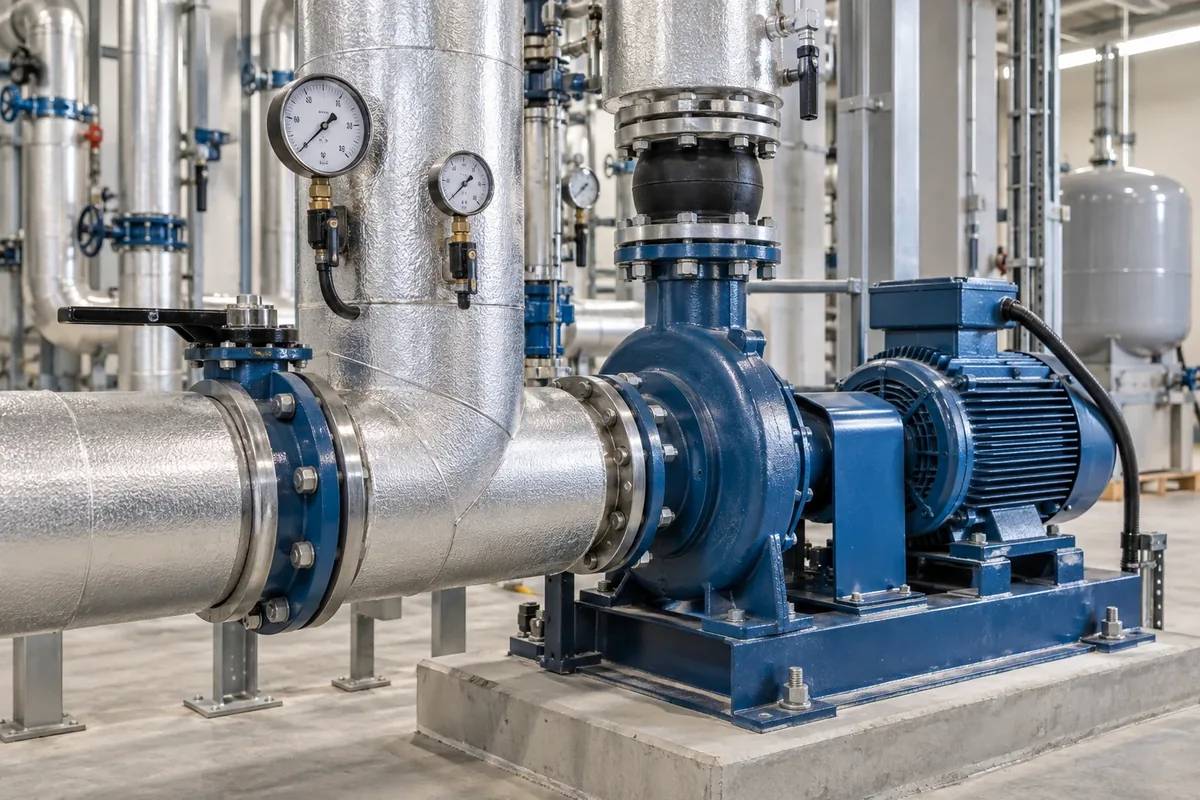
Understand supply and use balances, pumping energy and opportunities to reduce losses.
YOUR STARTING POINT
For a useful first conversation, share:
Utility bills and consumption records, operating schedules, production data and an inventory of major equipment.
Let’s discuss your projectA load profile may reveal sustained demand outside production hours. The next step is to check it against operations: standby equipment, auxiliary systems or essential loads. An action and a way to verify its effect can then be defined.
With the facilities you want to assess and the consumption data you already have. We then define any additional information needed.
The audit defines opportunities and priorities. We can then support the implementation of agreed measures.