We implement solar PV, BESS battery storage, electrification and efficiency upgrades. We connect generation, storage and consumption so each investment fits the needs of your facility.
Solar PV, batteries and efficiency: we select, size and integrate each solution to work with the rest of your operation.
01
Solar PV
Generate energy at your facility.
We design and implement solar PV systems around available roof or site space and your consumption profile. Generation is integrated with the electrical installation and monitoring.
We implement battery energy storage systems (BESS). Power and capacity are sized around demand, solar generation and the operating strategy: using surplus generation and managing demand peaks.
Power (kW) · Capacity (kWh) · Charge management03
Electrification & heat recovery
Make better use of thermal energy.
We integrate heat pumps and recovery solutions for heating, hot water and suitable processes. Temperatures, heat sources and demand determine the solution.
Heat pumps · Heat recovery · Thermal processes04
Equipment & operational efficiency
Reduce the energy your operation needs.
We upgrade and optimise HVAC, lighting, pumping and auxiliary systems. Controls, schedules and operation are aligned with actual requirements.
HVAC · Lighting · Controls05
EV charging
Connect mobility with energy management.
We implement charging infrastructure around fleet or building use. Integration considers available electrical capacity, solar PV and storage where appropriate.
Infrastructure · Available capacity · Integration06
Water & resources
Improve the performance of every resource.
We improve flow, pressure and pumping, and integrate conservation and reuse measures where viable. Metering supports consumption tracking and anomaly detection.
Pumping · Conservation · Reuse
One facility. One connected strategy.
Solar PV generates; BESS stores energy and shifts its use; efficient equipment reduces demand. We integrate measurement and follow-up with Submeter to review performance. Each project is sized to its technical and economic conditions.
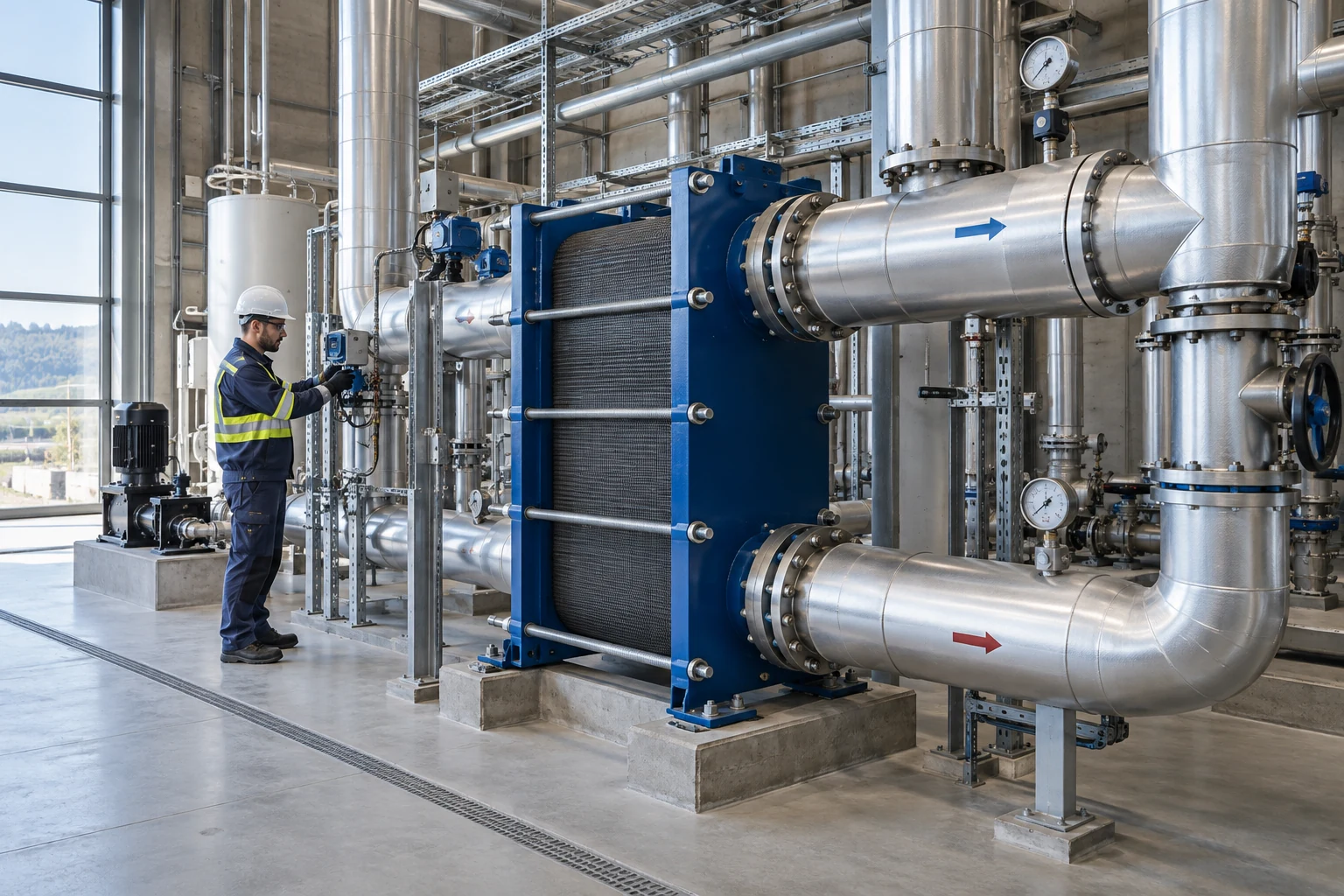
IN PRACTICEWork on thermal equipment and pipework within a facility.
01Design
Start with the demand you actually need.
We review adjustments and equipment upgrades before sizing new solutions. Reducing a requirement can change the size and return of the next investment.
Check objectives against consumption profiles.
Assess equipment, schedules and recovery opportunities.
Identify space, process and maintenance constraints.
WHAT YOU TAKE AWAY
A technical scope connected to the site’s needs.
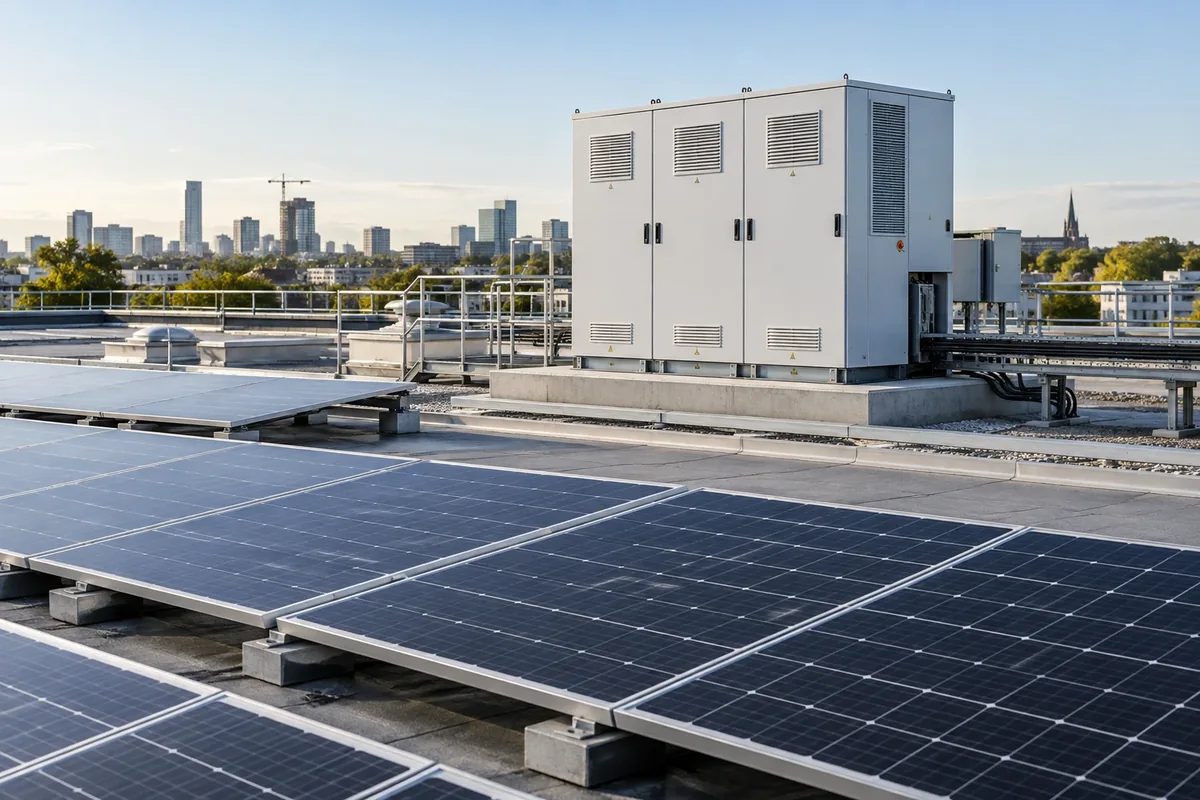
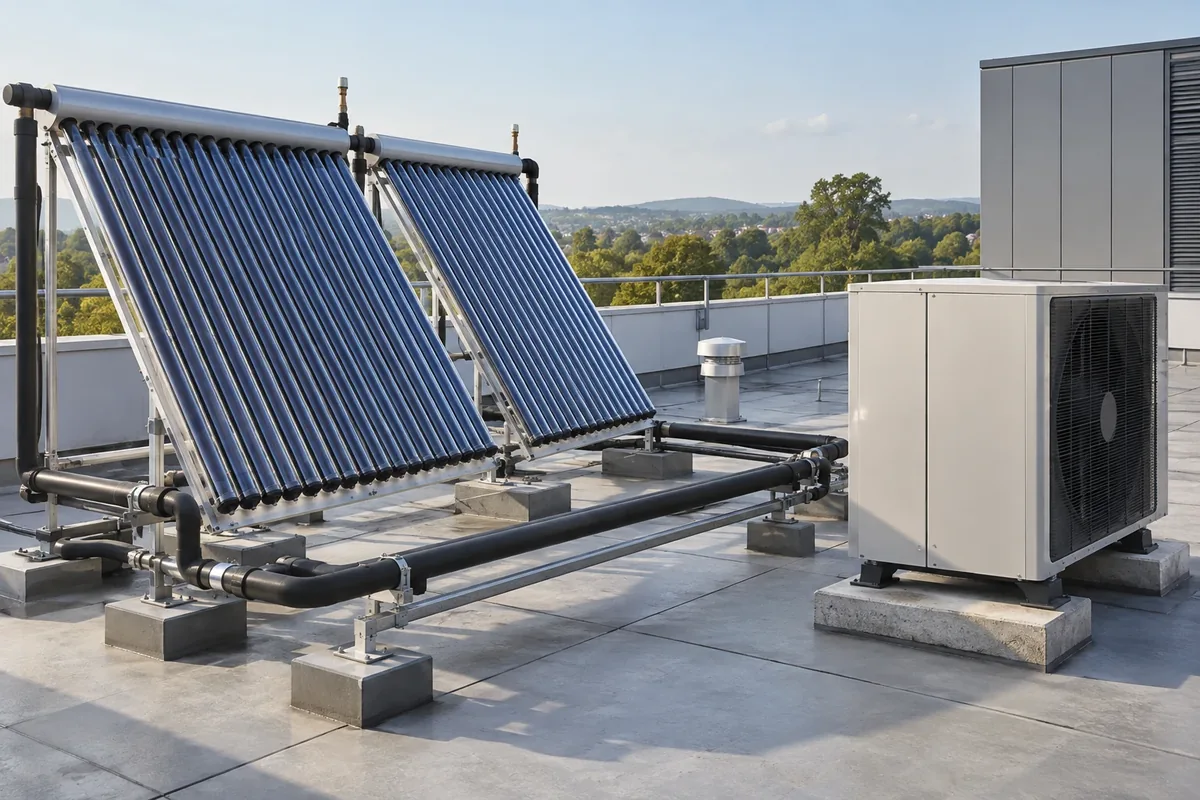
IN PRACTICERenewable thermal generation and rooftop HVAC equipment.
02Integrate
Assess solutions together.
Electrification, renewables, storage and energy recovery are assessed for fit. Water efficiency and pumping also form part of this connected resource perspective.
Compare technical and economic alternatives.
Assess the relationship between demand and generation.
Sequence measures to avoid incompatible investments.
WHAT YOU TAKE AWAY
A roadmap with clear alternatives and dependencies.
Sequence matters, too.
Optimise, recover, then size the solution.
Recovering heat from one process can reduce another system’s energy needs. Changing schedules alters the profile generation must cover. That is why measures are evaluated as a connected system.
CONNECTED DECISIONS
01
Understand demand
Profile, operation and constraints
02
Optimise and recover
Adjustments, equipment and usable heat
03
Assess supply
Electrification, renewables and storage
04
Measure the outcome
Reference, activity and follow-up
The sequence adapts to each facility’s opportunities and dependencies.
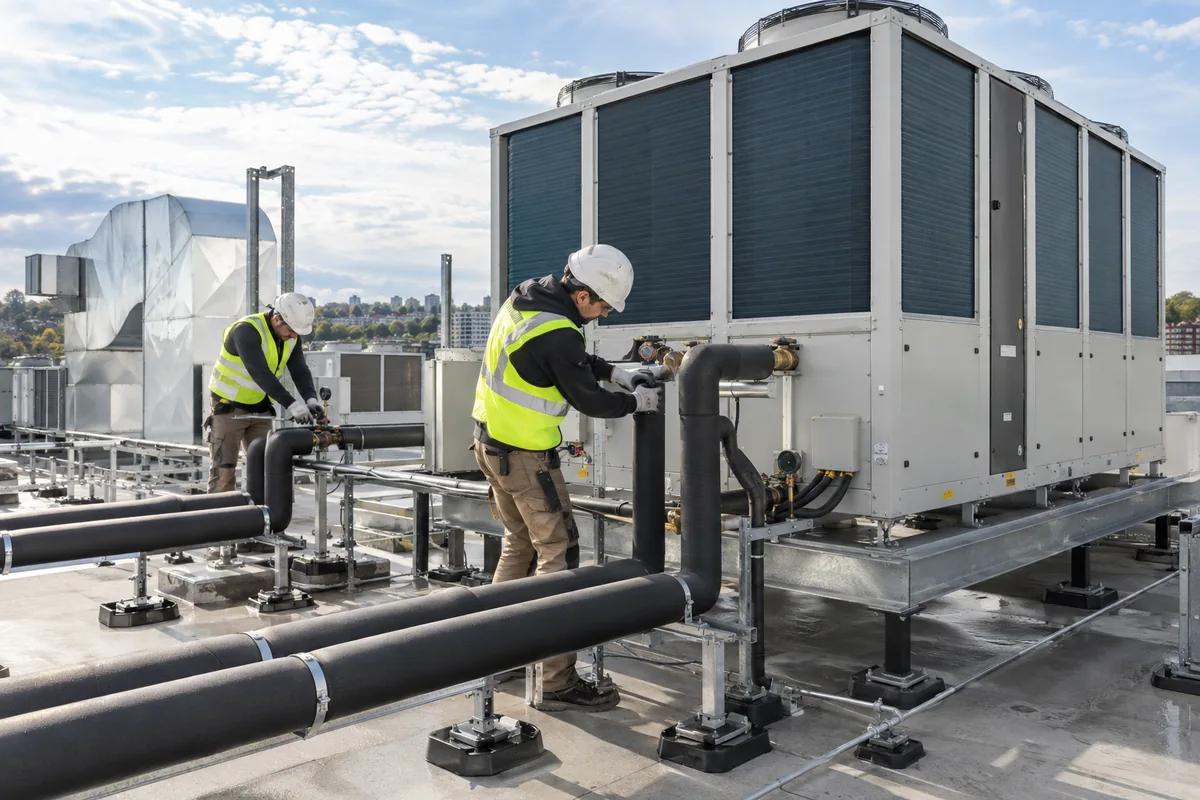
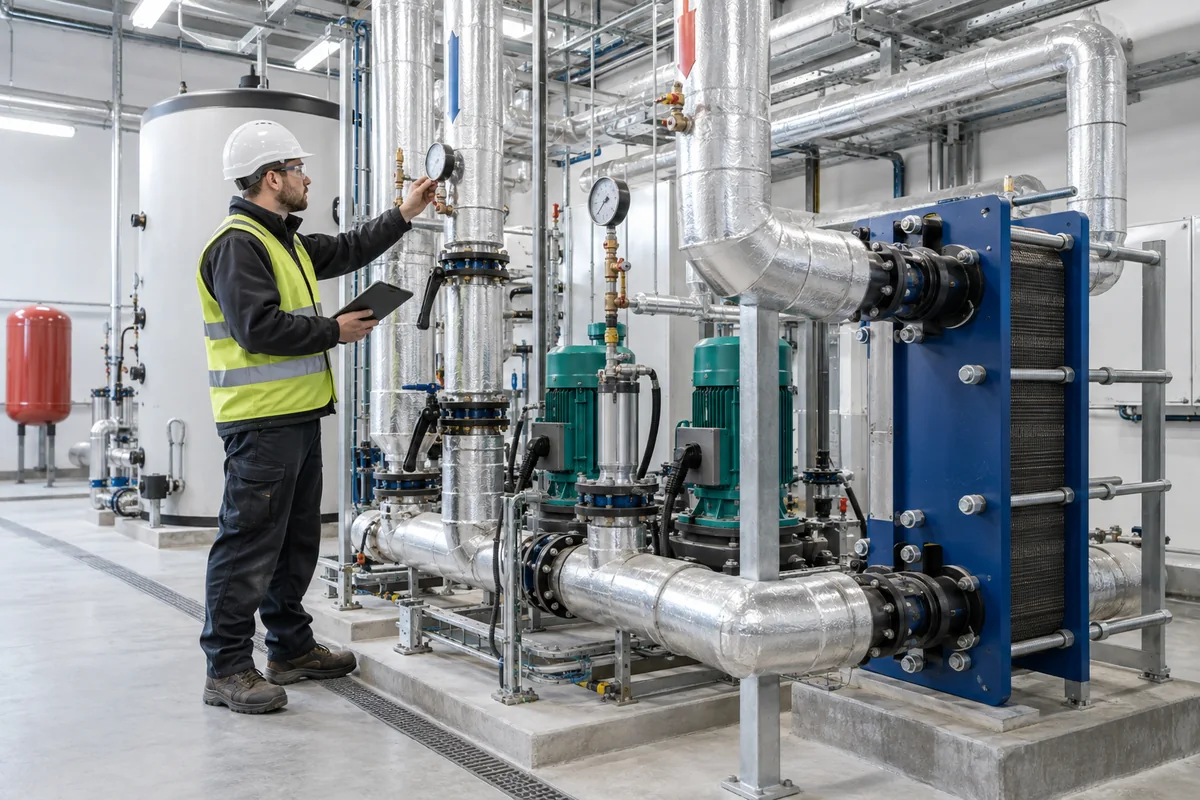
IN PRACTICEChecking instruments and operating conditions in a thermal system.
03Verify
Improvement continues after implementation.
We define how agreed measures are coordinated and how outcomes are observed. Comparisons need to account for changes in schedules, production or facility use.
Plan coordination with operations and maintenance.
Agree a reference and monitoring points.
Review performance to guide subsequent adjustments.
WHAT YOU TAKE AWAY
An implementation and follow-up plan.
GO DEEPERTechnical scope and capabilities+
THE THREES APPROACH
A connected portfolio of solutions.
The roadmap can combine equipment, supply and resource measures. We begin by selecting solutions suited to the facility and assessing how they integrate.
01
Energy retrofitting
HVAC, lighting and building-envelope improvements, alongside equipment and auxiliary-system adjustments.
02
Renewables and storage
Assess renewable generation and storage for integration with demand and available infrastructure.
03
Charging and resources
Electric-vehicle charging and strategies for waste management and resource recovery within the project scope.
04
Water conservation
Digitalise flow and pressure, detect anomalies, optimise pumping and assess reuse. Indicators such as kWh/m³ connect energy performance with the volume treated.
kW · kWh
Demand profile
Size solutions around a representative requirement.
Temperature · flow
Thermal conditions
Assess whether available heat can serve another use.
Investment · costs · savings
Economic impact
Compare alternatives with explicit assumptions.
Reference · measurement
Follow-up
Check outcomes while considering activity changes.
TAILORED TO YOUR FACILITY
One method. Different priorities.
Industrial processes
Assess thermal equipment, energy recovery and auxiliary systems within the process.
Buildings and facilities
Study improvements to HVAC, equipment and renewable generation against actual demand.
Energy and water
Coordinate resource-efficiency measures to avoid transferring consumption between systems.
Should generation be installed before demand is reviewed?+
Both decisions should be considered together. Changes to schedules, equipment or production can alter the consumption profile and therefore the sizing of a renewable installation. The sequence of improvements forms part of the assessment.
Does every facility need the same solutions?+
No. Selection depends on consumption, operations, infrastructure and investment goals. We first assess the starting point.
Does this also cover water?+
Yes. Water efficiency is part of our approach, alongside energy and operational needs.